Here’s the short version: AI security cameras use video analytics to recognize people, vehicles, and specific behaviors in real time, which cuts false alarms to near zero and lets a monitoring agent stop a crime while it is still preventable instead of just recording it. The intelligence is what turns a camera from a witness into a deterrent.
For decades, a security camera was a passive device. It recorded everything, nobody watched most of it, and its main use was handing footage to police after the loss. AI changes that completely. A modern mobile surveillance trailer does not just see, it understands, and that understanding is what makes real-time prevention possible. This guide explains how AI video analytics actually work, why they matter more than camera resolution, and how they stop crime before it happens.
What makes a security camera “AI-powered”
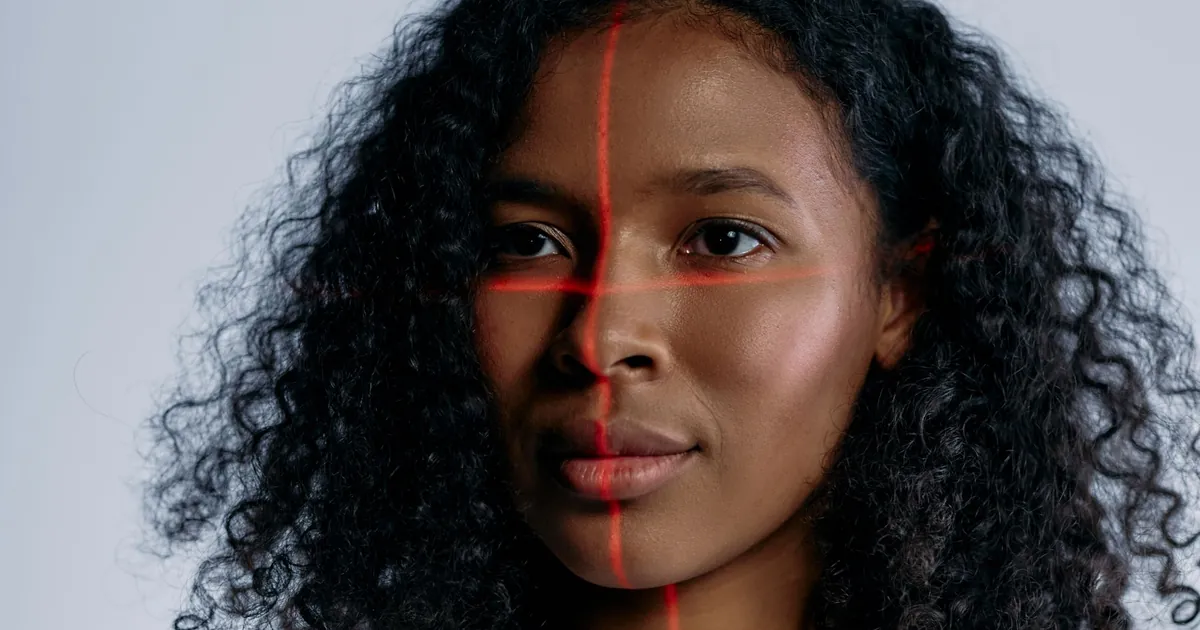
An AI security camera adds a layer of software that interprets the video instead of just capturing it. Where an old camera detected raw motion, AI analytics classify what is moving and decide whether it matters. The system asks, in effect, “Is that a person, a car, or a cat, and is it doing something it should not be?”

This builds on the same machine-learning advances the National Institute of Standards and Technology tracks across the AI field, applied to live video — a space evolving as quickly as the broader AI and technology news landscape. The camera is trained to recognize objects and patterns, so it can tell the difference between a delivery driver at noon and an intruder climbing a fence at 2 a.m. That distinction is everything.
The false alarm problem AI solves
Traditional motion detection has a crippling weakness: it triggers on anything that moves. A raccoon, a passing headlight, a plastic bag in the wind, a tree branch swaying, all of it fires an alert. On a busy site, that produces hundreds of false alarms a night, and the inevitable result is alarm fatigue. When almost every alert is nothing, people stop taking any of them seriously, and the one real intrusion gets ignored in the noise.
AI analytics fix this at the root. By classifying objects, the system only alerts on what you care about, a person or a vehicle, and ignores the animals and weather. Fewer, smarter alerts mean:
- Faster response to genuine events, because agents are not buried in noise.
- Lower monitoring cost, since agents focus only on real activity.
- No alarm fatigue, so every alert is trusted and acted on.
This is the single biggest practical reason AI is worth it. An accurate alert is an alert someone acts on.
From detection to prevention
Here is the shift that matters most. A passive camera documents a crime. An AI camera, watched by a live monitoring agent, prevents one. The moment the analytics flag a person entering a restricted area after hours, the agent sees the live feed and acts within seconds: a voice warning through the on-site speaker, an alert to your team, or a verified call to police.
That speed is the whole game. Most intruders abandon the attempt the instant a real voice tells them they are seen and recorded. The crime never completes. You are no longer reviewing footage of a loss, you are stopping the loss in progress. No amount of camera resolution does that on its own; it takes intelligence plus a human ready to act.
What AI security cameras can detect

The capabilities have grown well beyond simple person detection. Depending on the system, modern analytics can:
- Classify people and vehicles and ignore everything else.
- Detect loitering or entry into a defined restricted zone.
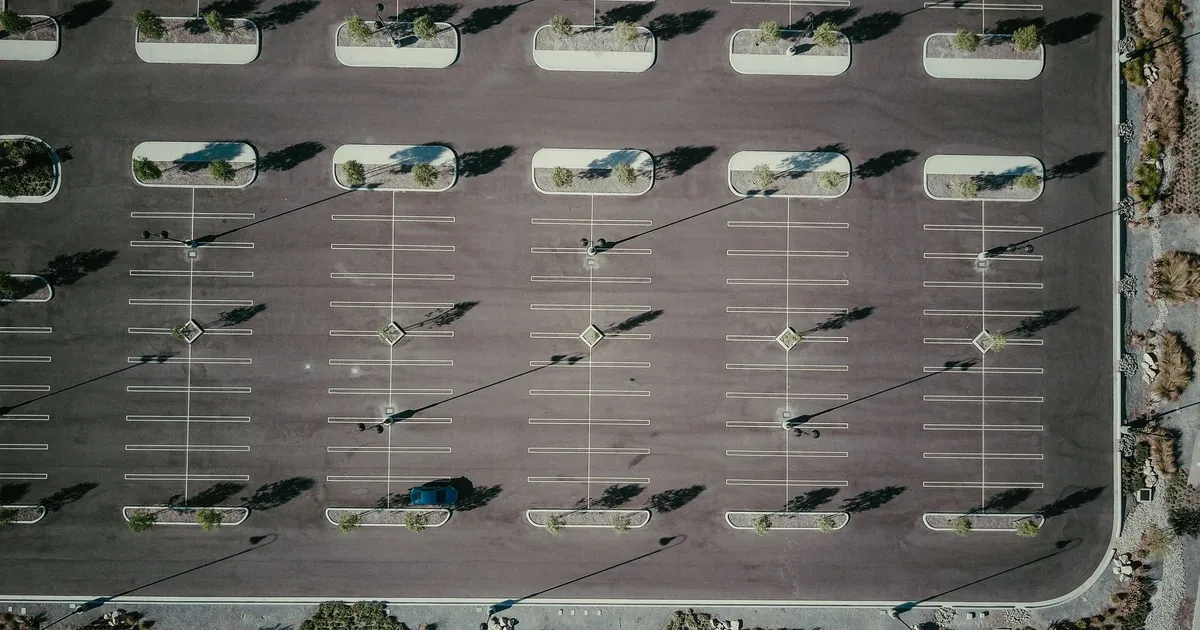
- Flag a vehicle stopping beside a parked car after hours, the classic catalytic converter theft pattern.
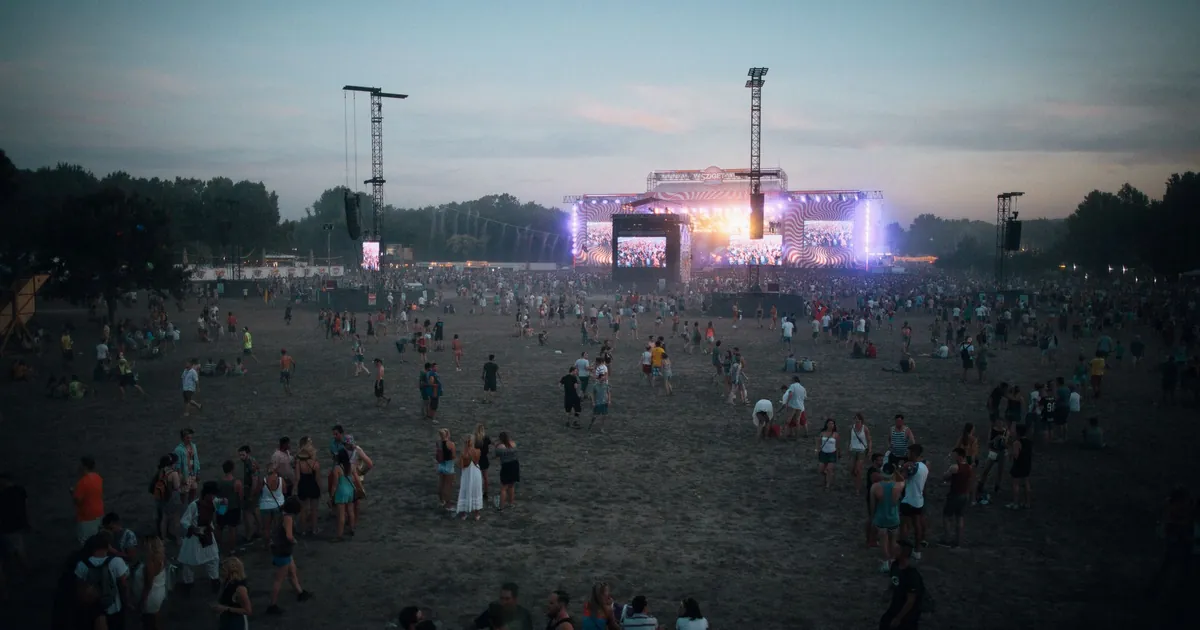
- Count people for crowd monitoring at events.
- Read license plates for access control and investigation.
Each of these turns raw video into a specific, actionable signal. The system is not asking a human to watch hours of empty footage. It is surfacing the exact moments that need a decision.
AI analytics and privacy
Smart cameras raise fair questions about privacy, and responsible deployment matters. The right approach focuses analytics on security-relevant events, limits retention to what is needed, and secures the footage itself against breach, the same data-protection discipline we apply in our cybersecurity and network security work. A camera system is also a data system, and it deserves the same care. Used well, AI improves both security and privacy by reducing the amount of footage anyone needs to review and by tightening who can access it.
Choosing AI-powered surveillance for your site
When you evaluate AI security options, look past buzzwords and confirm the practical things:
- Accurate classification. Ask how well it separates people and vehicles from animals and weather.
- Tuned for your site. Good providers calibrate the analytics to your specific layout and risk zones.
- Paired with live monitoring. AI detects, but a human acting on the alert is what deters.
- Sensible privacy practices. Confirm how footage is stored, secured, and retained.
- Flexible terms. A strong provider lets you lease, rent, or buy the right configuration.
Secure Techies is based in Canoga Park and deploys AI-powered surveillance trailers across Los Angeles and Southern California, monitored by trained agents and backed by the same security team that protects our managed IT clients. The AI finds the moment that matters. Our people make sure it counts.
AI versus traditional motion detection
It helps to see the two approaches side by side, because the gap is enormous in practice.
| Capability | Traditional motion detection | AI analytics |
|---|---|---|
| Triggers on | Any movement | Classified objects and behaviors |
| False alarms | Constant (animals, weather, lights) | Rare |
| Useful at night | Yes, but noisy | Yes, with accurate alerts |
| Behavioral rules | None | Loitering, restricted zones, and more |
| Result | Footage to review later | Real-time, actionable alerts |
Traditional detection is not useless, it simply cannot tell the difference between a threat and a tumbleweed. AI closes that gap, and the practical effect is that someone actually acts on the alerts instead of ignoring a flood of false ones.
How AI keeps improving over time
One underappreciated strength of AI surveillance is that it gets better. The models behind object classification are continually refined, so detection grows more accurate and the range of recognizable behaviors expands. A system deployed today benefits from advances that did not exist a few years ago, and the field continues to move quickly, as the National Institute of Standards and Technology documents in its ongoing evaluations of recognition technology.
Tuning analytics to your specific site
Generic settings are a missed opportunity. The best results come from calibrating the analytics to your particular property: where the restricted zones are, which hours matter, and what normal activity looks like so the system flags only genuine anomalies. A trailer deployed on a construction site needs different rules than one watching a parking lot, and a provider who tunes the system to your layout will deliver far fewer false alarms and far more meaningful catches.
Why the human still matters
For all its capability, AI is a detection tool, not a decision-maker. It surfaces the moment that needs attention, but a trained agent decides how to respond, whether to issue a warning, escalate, or call police. The combination is what works: machine speed and tireless attention paired with human judgment. That same pairing of automation and expert oversight is the foundation of strong network security, and it is exactly how we run our monitoring.
Where AI surveillance is making a difference
AI-powered monitoring is no longer experimental, it is in everyday use across the kinds of sites that face the most property crime. In Los Angeles and Southern California, the most common deployments include construction sites flagging after-hours intruders, parking facilities catching the catalytic converter theft pattern, auto and storage yards watching high-value inventory, and events using crowd counting and perimeter alerts.
What ties these together is volume. These sites generate far too much video for any human to watch in full, so the AI does the watching and surfaces only what matters. According to FBI crime data, property crime remains the most common category of offense, and these are exactly the targets it hits. AI analytics give a single monitoring agent the reach to protect many sites at once, each with accurate, real-time alerts, which is what makes affordable, effective coverage possible at scale.
A camera that only records is a camera that learns about your losses too late. AI analytics flip that, turning surveillance into prevention by catching the threat while there is still time to act. Contact Secure Techies to see AI-powered monitoring in action and find the right setup for your site.
Frequently Asked Questions