Here’s the short version: the best way to secure a temporary event is a solar-powered mobile surveillance trailer, because it deploys on open ground in under an hour with no power or wiring, covers crowds, entrances, and parking from a raised mast, and is removed the moment the event ends. Live monitoring lets agents watch the crowd and respond to incidents in real time.
Events create a hard security problem: you need serious surveillance for a short window, often on a site with no permanent camera infrastructure at all. A festival in a field, a pop-up market in a parking lot, a weekend sporting event, none of them has cameras pre-installed, and bolting up a fixed system for two days makes no sense. This guide explains how temporary event surveillance works in Los Angeles, what to cover, and how a mobile surveillance trailer gives you full coverage that arrives and leaves with the event.
Why events need temporary surveillance
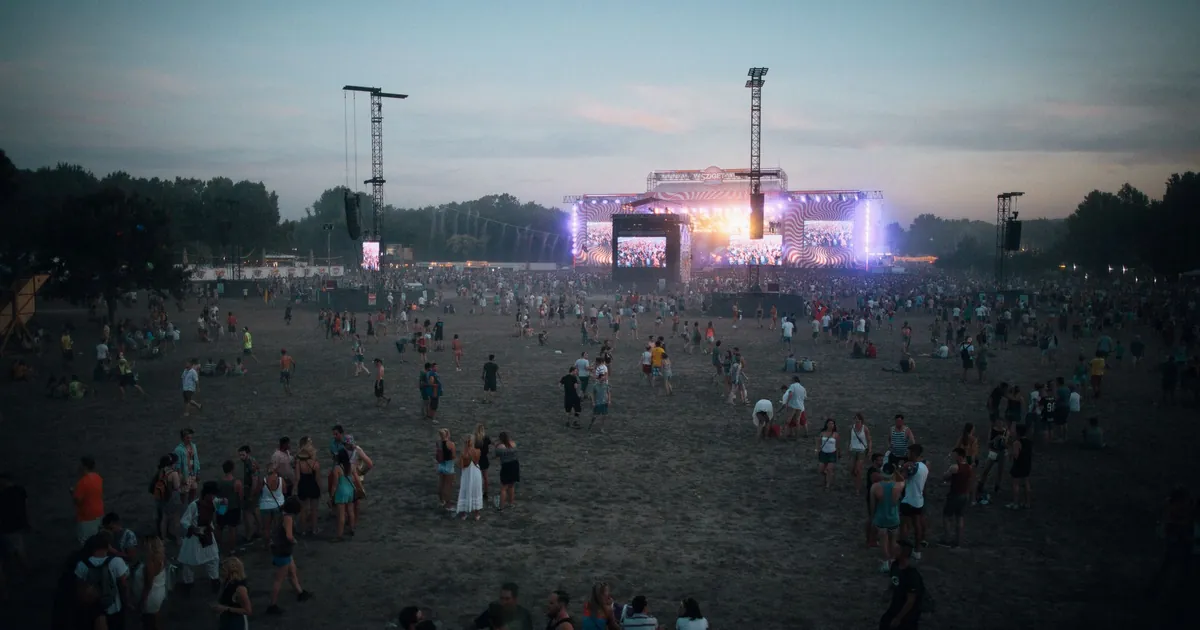
Large gatherings concentrate people, cash, equipment, and vehicles into one place for a short time, which is exactly the recipe for theft, vandalism, lost-child incidents, and crowd-safety concerns. The challenge is that the risk is intense but brief. You cannot justify a permanent install, yet going without coverage leaves organizers exposed to both crime and liability.
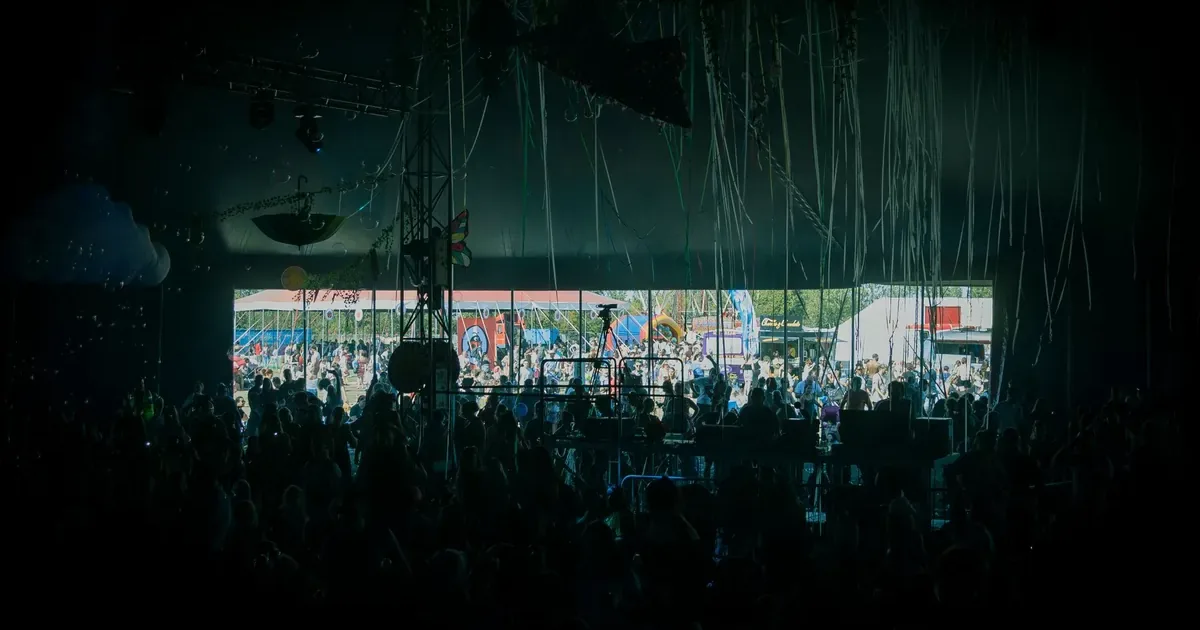
Federal guidance reflects how seriously this is taken. The Cybersecurity and Infrastructure Security Agency publishes special-event security planning resources precisely because temporary venues carry real risk. For most private and commercial events in Los Angeles, the practical answer is temporary surveillance that can be deployed fast and removed cleanly.
What event surveillance needs to cover
A good event security plan watches more than just the main stage or entrance. The high-risk zones usually include:
- Entrances and exits, where crowds bottleneck and tickets or cash change hands.
- The crowd itself, for safety monitoring and rapid response to incidents.
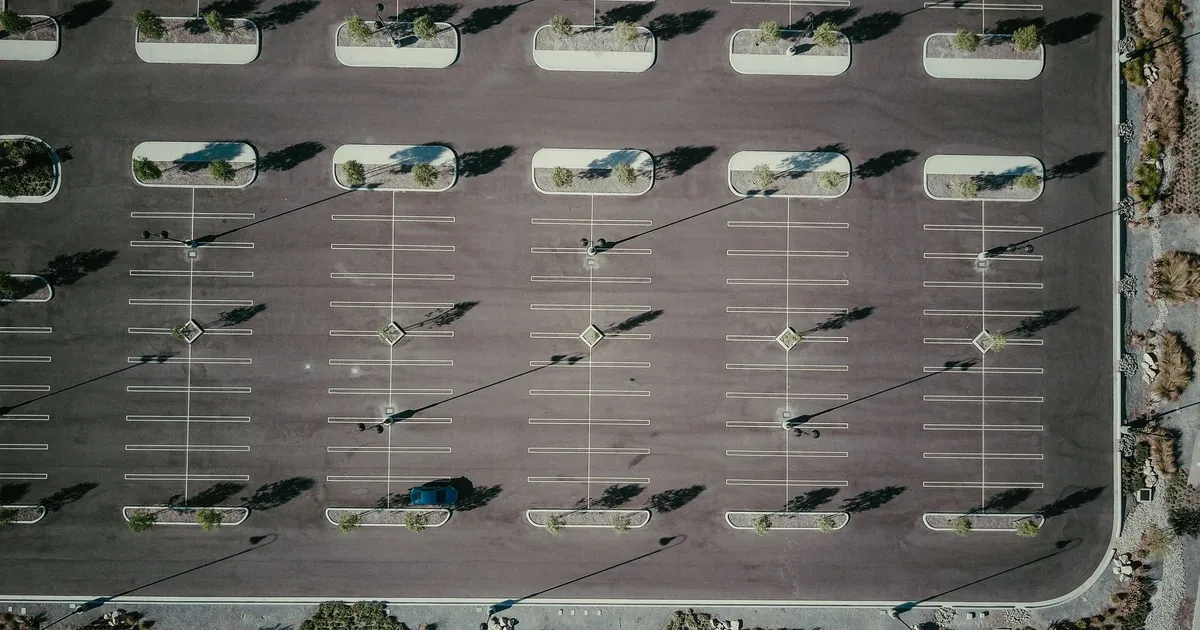
- Parking areas, a frequent target for vehicle break-ins while owners are inside.
- Vendor and equipment zones, where valuable gear sits exposed.
- Perimeter and back-of-house, where unauthorized entry is most likely.
A mast-mounted trailer can cover several of these from a single position, and additional units fill any gaps. The goal is no blind spots during the hours that matter most.
How mobile trailers solve the temporary problem
A solar-powered surveillance trailer is built for exactly this kind of short, infrastructure-free deployment. It tows onto the site, raises its mast, and goes live in under an hour, with no power drop, no cable runs, and no construction. It makes its own electricity and connects over cellular, so a bare field or a borrowed parking lot becomes a fully monitored venue.
When the event ends, the trailer is towed away just as fast, leaving the site exactly as it was found. For organizers, that is the whole appeal: serious coverage for the exact window you need it, and nothing to maintain or remove afterward. Our rapid deployment trailers are designed to be operational the moment they arrive on site.
Live monitoring during the event
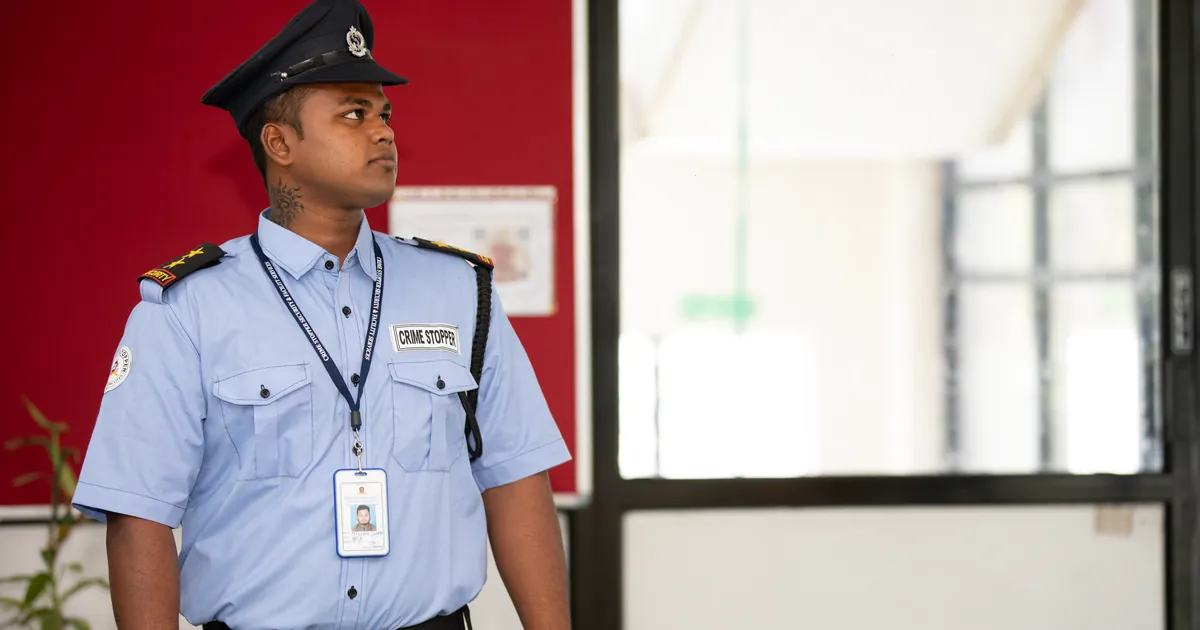
Recording footage of an event is useful afterward. Watching it live is what prevents problems during. With remote video monitoring, trained agents watch the feeds in real time, supported by AI analytics that flag crowd surges, perimeter breaches, or a vehicle lingering in the lot. An agent can warn off a trespasser through the trailer’s speaker, direct on-site staff to a developing situation, or call police with verified video.
That real-time layer works alongside any on-site security staff or guards an event hires. The cameras watch everything continuously and surface what needs attention, so the human team can be directed precisely instead of patrolling blind. It is the same logic that makes layered cybersecurity effective: automated systems watch the whole field and people act on what matters.
Planning event surveillance in Los Angeles
A few steps make temporary deployment smooth:
- Map the risk zones early. Identify entrances, crowd areas, parking, and vendor zones before the event.
- Confirm coverage, not just camera count. Make sure the placement leaves no critical blind spots.
- Decide on live monitoring. For any event with crowds or cash, real-time monitoring is worth it.
- Coordinate with local authorities. Large LA events often require coordination with police and permits.
- Match the rental to your dates. Short-term event pricing should reflect days, not a full month.
Because the need is temporary, renting is almost always the right call, though Secure Techies offers lease, rent, and buy options for organizations that run frequent events. We are based in Canoga Park and provide event surveillance across Los Angeles and Southern California, backed by the same monitoring team and security discipline behind our managed IT and network security work.
Rent, do not install, for a one-time event
The economics of event security are simple once you accept that the need is temporary. Installing a fixed camera system for a two-day festival makes no sense: you pay for permanent infrastructure you will use once and then abandon. Renting a mobile surveillance trailer flips that, letting you pay only for the days you actually need coverage.
That is why event surveillance is almost always priced by the event rather than the month. A weekend run costs a fraction of a long-term rental, and there is nothing to maintain, store, or remove afterward. For organizations that run events regularly, a longer lease or even a purchase can make sense, which is why we offer lease, rent, and buy options. But for the typical one-time event, a short rental is both the cheapest and the simplest path to serious coverage. You get the protection for exactly the window you need and hand it back when the gates close.
Coordinating surveillance with your event security plan
Cameras and staff working together
Surveillance is one layer of a complete event plan, not the whole thing. Most events also have on-site staff, ticketing, access control, and sometimes guards or off-duty officers. The cameras make all of those more effective by giving everyone a shared, real-time picture of the site. When a monitoring agent spots a developing situation, they can direct staff straight to it instead of leaving the team to patrol blind. The Cybersecurity and Infrastructure Security Agency recommends exactly this kind of layered, coordinated approach for special events.
Plan placement before the day
The time to design coverage is during planning, not on the morning of the event. Walk the site, identify the entrances, crowd zones, vendor areas, and parking, and decide where units go to eliminate blind spots. Confirm whether you need AI analytics for crowd counting or perimeter alerts. For larger LA events, coordinate with local authorities and confirm any permit requirements early. A surveillance plan settled in advance deploys smoothly on the day, when there is no time to improvise.
Surveillance, liability, and peace of mind
Beyond stopping theft, event surveillance protects organizers from the liability that comes with gathering a crowd. When something goes wrong at an event, a documented record of what actually happened is invaluable, both for responding in the moment and for resolving any claim afterward. A monitored system deters the incidents that lead to claims and provides clear evidence when one occurs.
There is a planning dimension too. Federal preparedness guidance at ready.gov emphasizes that crowds and temporary venues require deliberate safety planning, and real-time camera coverage is a core part of that plan. Knowing that trained agents are watching the entrances, the crowd, and the parking lot lets organizers focus on running the event instead of worrying about what they cannot see. For a one-time event with months of preparation behind it, that peace of mind is often worth as much as the theft it prevents.
An event is high-stakes precisely because it is brief: there are no second chances on the day itself. Temporary surveillance that deploys fast and watches everything in real time turns that pressure into a manageable plan. Contact Secure Techies with your event dates and site, and we will design coverage that arrives and leaves right on schedule.
Frequently Asked Questions