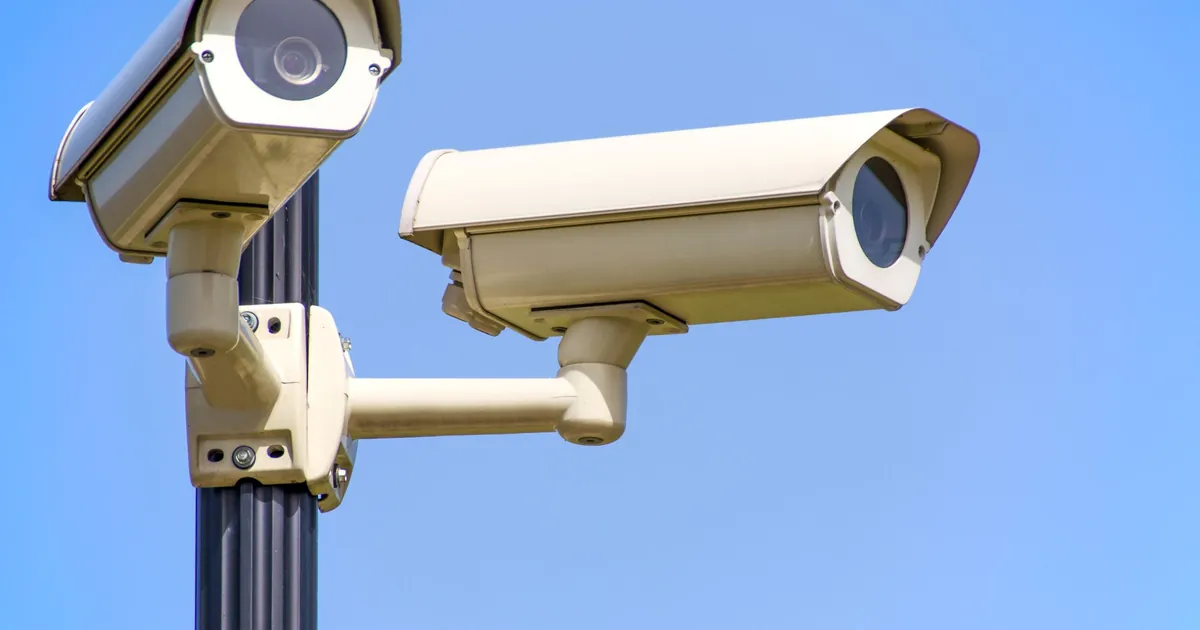
Here’s the short version: a mobile security camera trailer typically costs $1,500 to $3,500 per month to rent with live monitoring, or $15,000 to $40,000 to buy outright. Renting wins for projects measured in months, buying wins for permanent sites, and either way a monitored trailer costs far less than staffing guards around the clock.
Cost is usually the first question and the right one. A mobile surveillance trailer is a serious upgrade over leaving a site unwatched, but it only makes sense if the math works for your project. This guide lays out real 2026 pricing for the Los Angeles market, explains exactly what drives the number up or down, and compares renting, leasing, and buying so you can pick the option that fits your timeline and budget.
Mobile security trailer rental cost at a glance
Most Los Angeles businesses rent rather than buy, because most security needs are tied to a project with an end date. Here is what monthly rental pricing generally looks like.
| Configuration | Typical monthly cost | Best for |
|---|---|---|
| Basic monitored unit | $1,500 to $2,000 | Single-camera-zone sites, short jobs |
| Standard unit with AI analytics | $2,000 to $2,800 | Most construction and lot deployments |
| Premium multi-camera unit | $2,800 to $3,500 | Large sites, high-value inventory |
These figures assume live monitoring is included. A bare equipment rental with no monitoring costs less but gives up the part that actually deters crime, so compare carefully.
What drives the price of a security trailer

Three factors move the price more than anything else:
- Camera count and resolution. More cameras and higher-resolution sensors cover more ground and capture better evidence, but they cost more to run and monitor.
- AI analytics. Smart detection that separates people and vehicles from animals and weather adds value and reduces false alarms, and it is worth paying for.
- Live monitoring. A staffed monitoring center watching your feed 24/7 is the single biggest line item and the single biggest source of deterrence.
Secondary factors include rental length, site location and delivery distance, battery and solar capacity, and whether you need extras like floodlights or license-plate capture. Shorter rentals carry a higher monthly rate because mobilization costs are spread over fewer months.
Rent vs lease vs buy: which is cheapest for you
The cheapest option depends entirely on how long you need coverage. There is no universal answer, which is exactly why we offer all three on every unit.
When renting makes sense
Rent for short-term needs measured in weeks to a few months: a fast-track build, a seasonal lot, a one-time event, or a temporary risk. You pay only for the time you need and hand the trailer back when the job ends, with no maintenance or storage to worry about.
When leasing makes sense
Lease for multi-month projects with a known timeline, like a construction site running six to twelve months. A longer commitment usually drops the monthly rate well below short-term rental pricing, so you get the same coverage for less per month.
When buying makes sense
Buy when you have a permanent location, like a storage yard, dealership, or parking facility you will protect for years. The upfront cost is higher, but spread over a long lifespan the per-month cost is the lowest of the three. Security companies and large property owners often buy a fleet for exactly this reason.
Because Secure Techies offers lease, rent, and buy options, we can run the simple breakeven math for your specific timeline rather than pushing you toward whichever option pads a quote.
How trailer cost compares to security guards
This is where a trailer’s value gets obvious. Around-the-clock guard coverage requires multiple shifts, and the U.S. Bureau of Labor Statistics tracks guard wages that stack up quickly when you staff a site 24/7. A single week of continuous guard coverage can cost more than a full month of a monitored trailer, and one guard still cannot watch every angle of a large site at once.
A trailer never sleeps, never takes a break, records everything in HD, and covers the whole property from a raised mast. For most sites the smartest setup is a trailer as the always-on layer, with guards added only for access control or hands-on response where a person is genuinely required.
The cost of doing nothing
The real comparison is not trailer versus guard, it is trailer versus getting robbed. The National Insurance Crime Bureau reports that equipment theft costs the construction industry hundreds of millions of dollars a year, and stolen gear is rarely recovered. Add project delays, replacement-rental fees, and rising insurance premiums after a claim, and a single serious theft can dwarf a year of trailer rental. According to FBI crime data, property crime remains the most common category of offense, and unwatched commercial sites are prime targets. Spending a few thousand dollars a month to prevent a five-figure loss is not really a cost, it is insurance that also happens to deter.
How to get an accurate quote
Pricing varies by site, so a good provider will ask about your property size, the number of zones you need covered, how long you need it, and whether you want add-ons before quoting. Be wary of a flat number quoted before anyone understands your site. When you compare quotes, make sure each one clearly states whether live monitoring is included, what the response process is, and what happens at the end of the term.
Secure Techies is based in Canoga Park and prices mobile surveillance trailers for sites across Los Angeles and Southern California, with the same straightforward approach we bring to our managed IT services. No mystery line items, no pressure to buy when renting is smarter for your project.
What to watch for in a low-priced quote
Not every cheap quote is a bargain. When a trailer rental comes in well below the rest, it usually means something is missing, and the gap shows up later. Before you sign, check what a low number leaves out:
- No live monitoring. The most common cut. You get a recording device, not active deterrence.
- Basic motion detection instead of AI analytics. You will drown in false alarms from animals and headlights.
- Delivery and setup billed separately. A low monthly rate plus a steep mobilization fee can cost more than an all-in quote.
- Short battery reserve. An undersized solar system that struggles on cloudy days leaves gaps in coverage.
- Slow or unclear response. Cheap monitoring sometimes means a queue, not a person ready to act at 3 a.m.
The goal is not the lowest sticker price, it is the lowest cost of actually preventing a loss. A quote that omits monitoring is solving a different, lesser problem.
Budgeting a trailer into your project
The smartest way to think about trailer cost is as a line item in the project it protects, not a standalone expense. On a construction job, security belongs in the budget alongside equipment rental and temporary power, because the loss it prevents would come straight out of the same project’s margin. Folded in that way, a monitored trailer is one of the cheaper line items on the site and one of the few that actively saves money.
The U.S. Small Business Administration encourages treating loss prevention as a planned operating cost rather than a reaction to disaster, and surveillance fits that exactly. Budget it from the start, size it to the real risk, and choose the term, rent, lease, or buy, that matches your timeline. Done that way, the cost is predictable, modest, and easy to justify against the losses it quietly prevents month after month.
The flexibility renting gives you
There is a value to renting that does not show up on the invoice: flexibility. A rented trailer can scale up or down with your project, move to a new site when the work moves, and be returned the moment the need ends, all without tying up capital in equipment you may not need next quarter. For a business juggling several jobs or an uncertain timeline, that adaptability is worth a great deal.
Buying makes sense when the need is permanent and predictable, but for the project-based reality most contractors and property managers live in, renting keeps your money working elsewhere while still delivering full protection. The right answer is whichever one matches how long and how reliably you need coverage, and a provider who offers all three options can be honest with you about which that is rather than steering you toward the most profitable sale.
The right trailer at the right terms costs less than most owners expect and far less than a single bad night. Contact Secure Techies for a clear quote and we will tell you honestly whether renting, leasing, or buying saves you the most.
Frequently Asked Questions