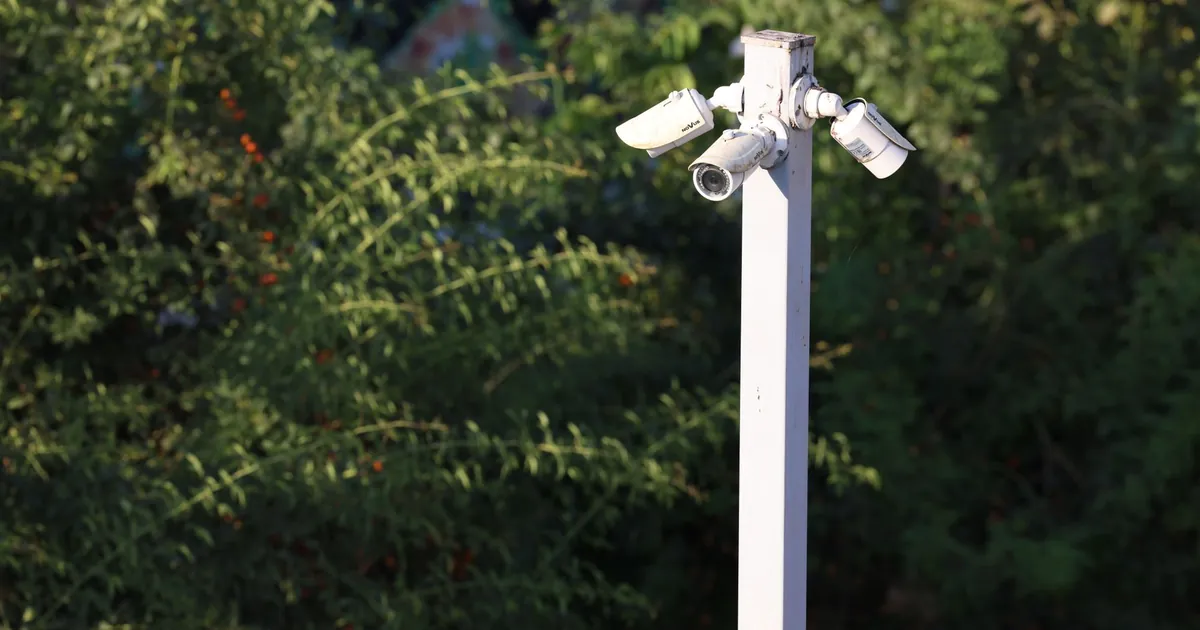
Here’s the short version: a mobile surveillance trailer is a solar-powered, towable security platform that carries HD cameras, AI analytics, and a live monitoring connection, and it can protect a site within an hour of arriving, with no power, wiring, or internet on location. It gives you the coverage of a camera system and the deterrence of a guard, without the cost or limits of either.
If you manage a construction site, a parking lot, a storage yard, or any property that sits empty after hours, you already know the problem. Fixed cameras leave blind spots, guards are expensive and can only watch one spot at a time, and a break-in is usually discovered the next morning, long after the damage is done. A mobile surveillance trailer changes that math. This guide explains exactly what these units are, how they work, what they cost to rent or buy, and how to choose a provider in Los Angeles that actually watches your feed instead of just selling you hardware.
What is a mobile surveillance trailer?
A mobile surveillance trailer is a complete security system built onto a towable trailer. Instead of mounting cameras on a building and running cable back to a recorder, everything you need rides on one self-powered unit: cameras, storage, power, connectivity, and the brains to make sense of what it sees. You tow it where you need it, raise the mast, and the site is covered.

The appeal is speed and independence. Because the trailer makes its own power and carries its own internet connection, it does not care whether your site has electricity, a network drop, or even a finished building. That makes it ideal for the messy, half-built, or temporary places where crime tends to happen and where traditional systems are hardest to install.
What’s inside the trailer
A well-equipped unit packs a surprising amount of capability into a small footprint:
- HD cameras with night vision that see clearly in full darkness, often with a 360-degree view from a raised mast.
- On-board AI analytics that tell the difference between a person, a vehicle, and a raccoon, so alerts mean something.
- Two-way audio so a monitoring agent can speak through the trailer and warn off an intruder in real time.
- Solar panels and battery backup for round-the-clock uptime with no grid power.
- Cellular connectivity that streams live video to a remote monitoring center.
- Local and cloud recording so HD evidence is preserved even if the connection drops.
How mobile surveillance trailers work
The workflow is simple by design. Cameras capture the scene continuously. The on-board analytics scan every frame for activity that matches a defined rule, such as a person entering a fenced area after hours. When the system detects a real event, it does three things at once: it records the footage, it fires a real-time alert, and it streams the live feed to trained agents at a monitoring center.
From there, a human takes over. An agent can issue a live voice warning through the trailer’s speaker, escalate to your team, or dispatch police with verified video evidence rather than a blind alarm call. That last part matters more than it sounds. Police treat a verified, eyes-on report very differently from an anonymous motion alarm, and faster response means less loss.
Where mobile surveillance trailers are used
These units shine anywhere coverage is needed fast and infrastructure is thin. Across Los Angeles and Southern California, the most common deployments include:
- Construction sites, where copper, tools, and equipment vanish overnight and fixed cameras are impossible until the building exists.
- Parking lots and garages, where vehicle break-ins and catalytic converter theft are constant headaches.
- Auto dealerships and storage yards, which hold high-value inventory in the open.
- Events and temporary venues, where you need eyes on a crowd for a weekend and nothing afterward.
- Remote or vacant property, from utility sites to land between development phases.
According to the FBI’s crime data, property crime still accounts for the overwhelming majority of reported offenses in the United States, and unguarded commercial sites are a favorite target. A visible, talking camera unit is one of the few deterrents that works before a crime happens rather than after.
Mobile surveillance trailer vs traditional security
Most sites default to one of two old options: hire guards or bolt up fixed cameras. A trailer beats both for a large share of real-world jobs.
Versus security guards
A guard costs a great deal per hour, covers one location at a time, and is subject to fatigue, distraction, and human risk. A monitored trailer watches every angle continuously, never sleeps, and records everything in HD. The U.S. Bureau of Labor Statistics tracks security guard wages that add up quickly across a 24/7 schedule. For the cost of a few guard shifts, you can keep a trailer running all month. Guards still matter for access control and hands-on response, so the smartest sites use a trailer as the always-on layer and reserve people for tasks that truly need a person.
Versus fixed cameras
Permanent cameras are great once a building is finished and wired. They are useless on a bare lot, slow to install, and impossible to move when the job ends. A trailer deploys in an hour, relocates in minutes, and leaves nothing behind when you are done.
How much does a mobile surveillance trailer cost?
Pricing depends on three things: how many cameras and what resolution, whether AI analytics and live monitoring are included, and whether you rent or buy.
| Option | Typical cost | Best for |
|---|---|---|
| Monthly rental | $1,500 to $3,500 per month | Construction jobs, seasonal needs, short projects |
| Lease (longer term) | Lower monthly rate | Multi-month sites with a fixed timeline |
| Purchase | $15,000 to $40,000 per unit | Permanent locations and security companies |
The right answer is rarely one-size-fits-all, which is why we offer flexible lease, rent, or buy options on every trailer. A general contractor with a nine-month build usually rents. A property owner with a permanent yard usually buys. We help you run the simple math on your specific timeline. For a deeper breakdown, see our guide to what a mobile security trailer costs to rent.
How fast can a trailer be deployed?
Under an hour, in most cases. The trailer is towed into position, leveled, and its mast is raised. Cameras are aimed at the entry points and high-value zones, the solar and battery system is confirmed, and the live feed is verified with the monitoring center. Because the unit is solar-powered and self-sufficient, there is no permit-and-wait cycle for a power drop and no contractor scheduling. That speed is the whole point. Crime does not wait for your install date, and neither should your coverage. For sites that need protection on day one, our rapid deployment trailers are built to go live the moment they arrive.
How to choose a mobile surveillance trailer provider in Los Angeles
The hardware matters, but the service behind it matters more. A camera that nobody is watching is just an expensive recording of your own losses. When you compare providers, look past the spec sheet and ask:
- Is live monitoring included, or just recording? Real deterrence comes from a human who can speak through the trailer and call police with verified video.
- Who responds, and how fast? Ask for their average alert-to-action time and how escalation works at 3 a.m.
- Are the analytics tuned to cut false alarms? Good AI ignores animals and headlights so your alerts stay meaningful.
- Can they deploy quickly across LA and Southern California? Local presence means a trailer on your site this week, not next month.
- Do they offer lease, rent, and buy? Your provider should fit your timeline, not force you into theirs.
Secure Techies is based in Canoga Park and protects sites across Los Angeles and Southern California with the same security discipline we bring to our cybersecurity and managed IT work. The cameras are only the visible part. The value is the team watching them.
Signs your site needs a surveillance trailer
Not every property needs a trailer, but a few clear signals mean you are carrying more risk than you should. If any of these describe your site, it is worth a serious look:
- The site sits empty after hours with valuable equipment, inventory, or materials left in the open.
- There is no power or network where you need cameras, so a fixed system is impractical.
- You have already been hit, or neighboring properties have, and the pattern is likely to continue.
- Your coverage needs move, as a project advances through phases or shifts across locations.
- Guard costs are climbing faster than the protection they actually deliver.
Any one of these is reason enough. Two or more, and an unwatched site is essentially a standing invitation. The FBI’s data on property crime shows that opportunistic theft targets exactly these conditions: visible value, low risk, and no one watching.
What a trailer does not replace
It is worth being honest about the limits, because a good security plan is layered. A trailer is a superb detection and deterrence tool, but it is not a substitute for everything. You still need controlled access points and fencing to funnel people past the cameras, good lighting to remove dark corners, and clear procedures for who responds when an alert comes in. For sites that require hands-on access control or escorts during the day, a trailer complements on-site staff rather than replacing them entirely.
Think of the trailer as the always-on layer that watches everything, all the time, at a cost no human team can match. The other measures handle the tasks that genuinely need a person or a physical barrier. Used together, they cover far more than any single approach could alone, which is exactly the layered thinking we apply to protecting a client’s network security as well.
A mobile surveillance trailer is the rare security upgrade that pays for itself by preventing the loss instead of documenting it. If you have a site sitting exposed tonight, you do not have to wait for a wiring crew or a guard contract. A warehouse placement we wrote up is a mobile surveillance trailer on a warehouse yard. Contact Secure Techies for a demo and we will help you decide whether to lease, rent, or buy the right unit for your site.
Frequently Asked Questions