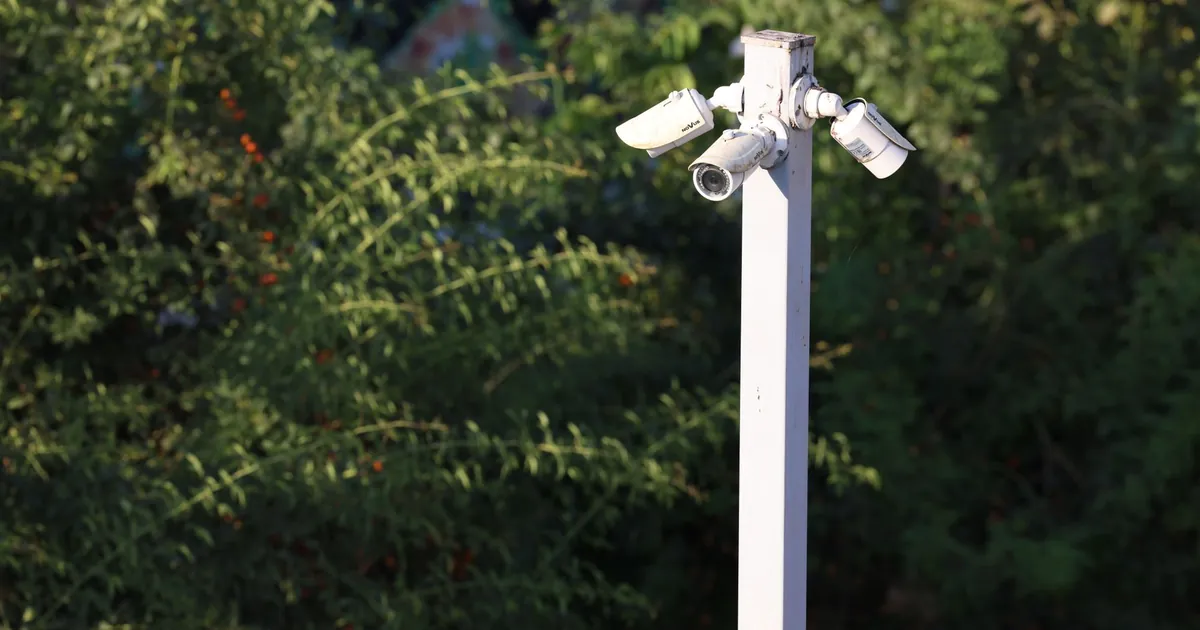
Here’s the short version: remote video monitoring uses trained agents watching live camera feeds 24/7 to detect and stop crime in real time, and for most sites it costs far less than security guards while covering more ground. Guards still matter for hands-on tasks, so the smartest setup pairs a monitored trailer with guards only where a physical person is truly needed.
If you are protecting a construction site, a parking lot, or any property that sits empty after hours, you have probably weighed the same two options: hire guards or install monitored cameras. Both can work, but they are not equal in cost, coverage, or consistency. This guide compares remote video monitoring and security guards head to head, then explains why most well-run sites in Los Angeles end up combining them.
What remote video monitoring actually is
Remote video monitoring is not just recording. It is a live service. Trained agents at a central monitoring center watch your camera feeds around the clock. When the cameras or their AI analytics detect activity that matters, a person reviews it instantly and acts: a live voice warning through on-site speakers, an alert to your team, or a call to police with verified video.
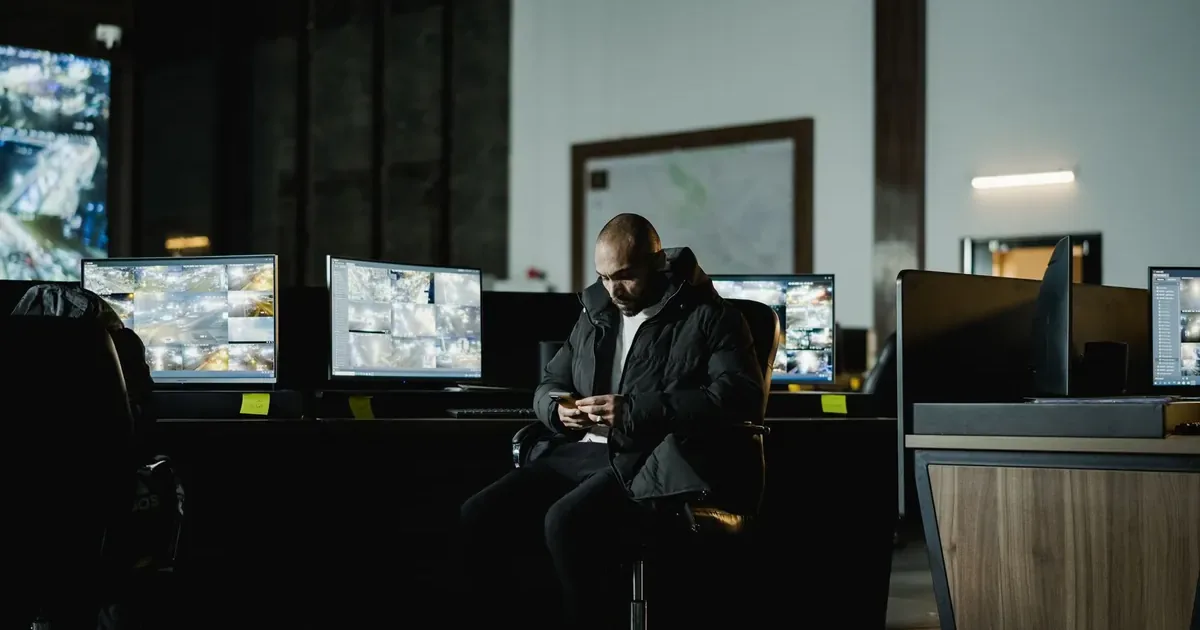
That last point is the heart of it. The system combines machines and people in the way each is best: cameras and AI never blink and watch every angle at once, while a human applies judgment and takes action. You get active deterrence, not just a recording to hand the insurance company after the loss.
Security guards: strengths and limits
Guards are the traditional answer, and they bring real strengths. A guard provides a visible human presence, can control access at a gate, can escort people, and can physically respond to a situation. For some environments, like a staffed lobby or an event entrance, that human role is exactly what is needed.
But guards have hard limits. A single guard can only be in one place at a time, so a large site is mostly unwatched at any given moment. Guards get tired, distracted, and can be overwhelmed or put in danger. And around-the-clock coverage is expensive, because it takes multiple shifts to staff one position 24/7. The U.S. Bureau of Labor Statistics tracks guard wages that add up fast once you multiply them across nights, weekends, and holidays.
Cost: the comparison most owners get wrong
This is where the two diverge sharply. Staffing one guard position around the clock means roughly four to five shifts a week of paid coverage, every week. A single week of continuous guard coverage can cost more than a full month of a monitored mobile surveillance trailer.
| Factor | Remote video monitoring | Security guards |
|---|---|---|
| 24/7 cost | One monthly fee | Multiple shifts, much higher |
| Area covered | Entire site at once | One location at a time |
| Consistency | Never tires or distracted | Subject to fatigue |
| Evidence | Continuous HD recording | Written reports |
| Physical response | Via police dispatch | On-site, immediate |
The table makes the trade-off clear. Monitoring wins decisively on cost and coverage. Guards win on immediate physical presence. For an unoccupied site whose main risk is after-hours intrusion, monitoring delivers far more protection per dollar.
Coverage and consistency
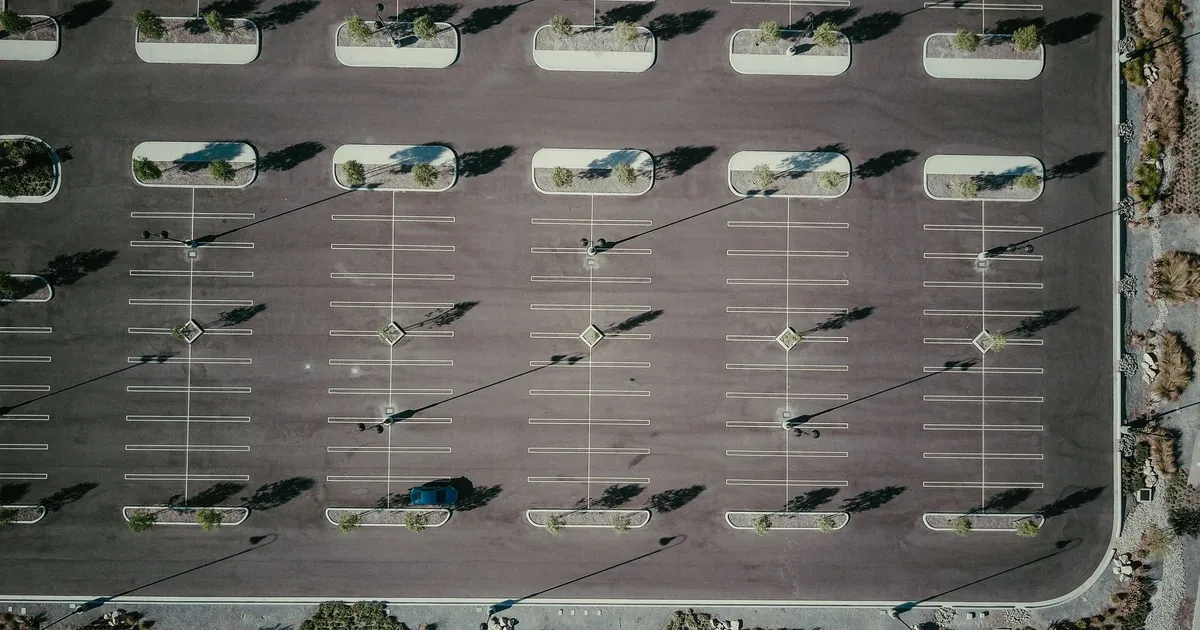
A camera array on a raised mast sees the whole site continuously and records every second in HD. It does not look away, take a break, or miss the far corner while checking the gate. AI analytics scan every frame and flag the events that matter, so agents focus their attention where it counts.
A guard, by contrast, covers a patrol route or a fixed post. Whatever is happening elsewhere on the property is unobserved until the guard gets there. On a large or spread-out site, that gap is exactly where losses occur. This is why monitoring scales so well: adding cameras is far cheaper than adding guards, and each camera watches tirelessly.
Response speed and police dispatch
Speed decides outcomes. With remote monitoring, AI flags an event in seconds and an agent is on it immediately, often issuing a voice warning before the intruder has taken anything. When police are needed, the agent provides verified, eyes-on video. That matters enormously: law enforcement agencies, as groups like the International Association of Chiefs of Police note, prioritize verified alarms over the flood of false ones, so a confirmed crime in progress gets a faster response.
A guard can respond physically and fast if they are nearby, but they may also be on the other side of the property, and confronting an intruder carries real personal risk. Monitoring keeps people safe while still delivering rapid, verified action.
Why most sites combine both
The honest conclusion is not that one always beats the other. It is that they do different jobs. The most cost-effective model for many Los Angeles properties uses a solar-powered monitored trailer as the always-on layer that watches everything 24/7, and adds guards only where a physical person is genuinely required, like access control during business hours or escorts. You get full-site coverage at a fraction of all-guard cost, plus a human presence exactly where it adds value.
This layered thinking is the same discipline we bring to cybersecurity: use automated systems to watch everything continuously, and apply human judgment where it matters most. Secure Techies is based in Canoga Park and provides remote video monitoring across Los Angeles and Southern California, with flexible lease, rent, and buy options on every trailer.
What remote monitoring covers that guards miss
The coverage gap between the two approaches is wider than most owners realize until they map it out. A guard experiences a site one location and one moment at a time. Remote monitoring experiences the whole site continuously, and it remembers everything in HD.
That difference shows up in the details. Monitoring captures the license plate of a vehicle that circled the lot twice before stopping. It flags the person who lingered at the fence line for ten minutes before testing the gate. It holds a complete, time-stamped record that resolves disputes and supports investigations. A guard’s report, however diligent, is a human summary written after the fact. For evidence, insurance, and liability, continuous verified footage is far stronger, which is why even guarded sites increasingly add monitored cameras as the system of record.
Safety and liability favor monitoring
Keeping people out of harm’s way
There is a human cost to the guard model that rarely makes the budget conversation: confronting an intruder is dangerous. A monitoring agent can deter a trespasser with a live voice warning and dispatch police from a safe distance, without ever putting a person face to face with a potential threat. For many sites, that alone is reason enough to lead with monitoring and reserve guards for lower-risk, daytime roles.
Documentation that protects the owner
Property owners carry a duty of reasonable care, and incidents on site can become liability claims. Continuous monitored footage both deters those incidents and documents exactly what happened when one occurs, protecting the owner against false claims and demonstrating that reasonable measures were in place. Federal resources like those from the Cybersecurity and Infrastructure Security Agency stress documented, layered security for exactly this reason. A guard’s presence helps, but a verified recording is what holds up later. This is the same evidence-first discipline we bring to cybersecurity incidents, where what you can prove matters as much as what you prevented.
Getting started with remote monitoring
Moving to remote monitoring is simpler than most owners expect. It starts with an assessment of your site: where the entry points are, what the high-value zones look like, and what hours carry the most risk. From there, a provider places cameras or a mobile trailer to cover the property with no blind spots, tunes the analytics to your layout, and connects the feed to the monitoring center.
The transition does not have to be all or nothing. Many sites keep their existing daytime staff and add monitored cameras for the after-hours window when most incidents occur, then adjust the balance as they see how much the cameras catch. Because trailers are available to lease, rent, or buy, you can start small, prove the value on your own site, and scale the coverage to match the result. The goal is the right protection for your specific risk, not a one-size-fits-all package.
Guards versus monitoring is not really a contest, it is a question of fit. For watching an empty site around the clock at a sane cost, remote video monitoring wins. Contact Secure Techies and we will help you design the right mix of monitoring and on-site presence for your property.
Frequently Asked Questions