Here’s the short version: secure website design means building protection in from the start, including HTTPS, secure forms, defenses against common attacks, hardened hosting, updates, and monitoring, so your site protects your data and your customers by default. It is far cheaper to build security in than to clean up a breach later, and it protects your search rankings too.
Most businesses think about website security only after something goes wrong: a defaced homepage, a leaked customer list, a browser warning scaring visitors away. By then the damage is done. The better approach is to treat security as a design requirement, present from the first line of code, the same way we treat it across our cybersecurity and managed IT work. As a team that builds websites and landing pages and secures them, here is what secure website design actually involves and why it matters more than ever.
Why your website is a target
It is tempting to assume attackers only go after big companies, but the opposite is true. Small and mid-sized business sites are targeted constantly, precisely because attackers assume they are weakly defended. Automated bots scan the web around the clock looking for known vulnerabilities, and they do not care how small you are. To a bot, your site is just an unlocked door worth trying.

The consequences are serious. A compromised site can leak customer data, serve malware to your visitors, get blacklisted by search engines, and shatter the trust you spent years building. The Cybersecurity and Infrastructure Security Agency repeatedly warns that web applications are among the most exploited entry points for attackers. Your website is your front door, and a front door deserves a real lock.
What secure website design includes
Security is not a single feature, it is a set of practices woven through the whole build. A properly secured site includes:
- HTTPS everywhere, so all traffic is encrypted and browsers show your site as trusted.
- Secure, validated forms that resist injection and abuse, protecting both you and the visitor.
- Defenses against common attacks like injection and cross-site scripting.
- Hardened hosting with proper configuration, firewalls, and access controls.
- Regular updates to every component, since outdated software is the most common way in.
- Monitoring and tested backups, so problems are caught fast and recovery is quick.
Each of these is far easier to build in during development than to retrofit after launch. Secure design is not about adding a plugin at the end, it is about decisions made at every stage.
The OWASP Top 10 and how to defend against it
Most breaches do not come from exotic, novel attacks. They come from a short list of well-known weaknesses. The OWASP Top 10 catalogs the most critical web application risks, and it has guided secure development for years. The list includes injection flaws, broken authentication, security misconfiguration, and the use of components with known vulnerabilities.
The encouraging part is that nearly every item on the list is preventable with disciplined practices: validating and sanitizing all input, using secure authentication, keeping dependencies current, and configuring servers correctly. We write code with the OWASP Top 10 in mind from the first commit, which is the same standard we apply to protecting clients from ransomware and business email compromise. Knowing the common attacks is half of stopping them.
Security and SEO go hand in hand
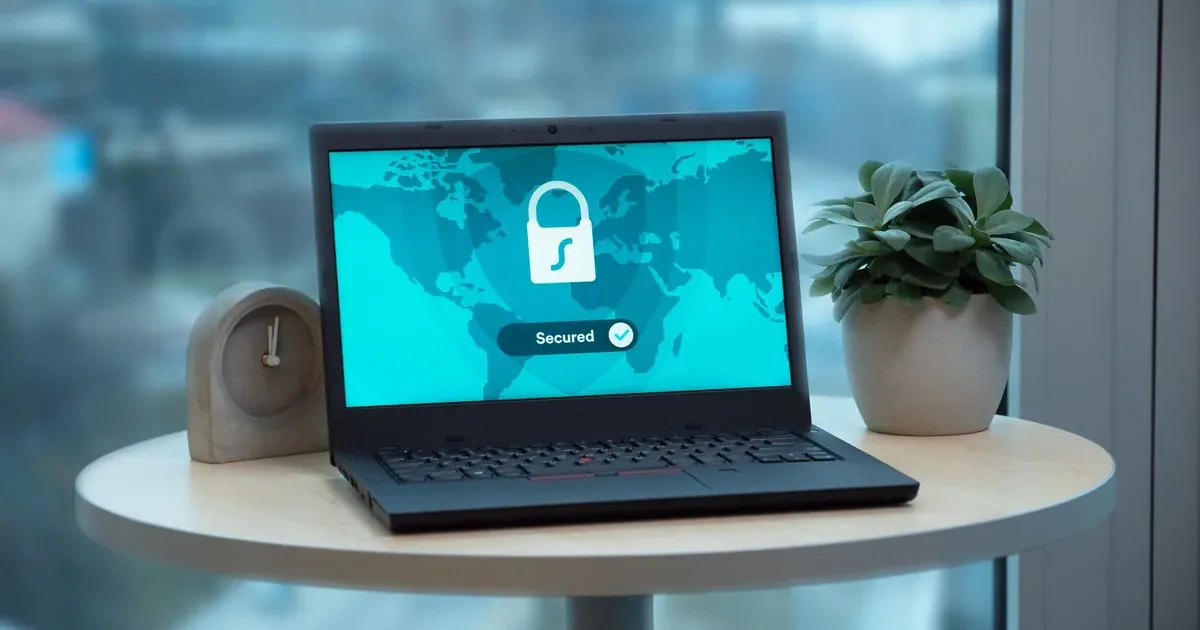
Many businesses do not realize how directly security affects their search visibility. Google treats HTTPS as a ranking signal, and modern browsers display prominent warnings on sites without it, warnings that send visitors fleeing before they read a word. A site that gets hacked faces worse: it can be removed from search results entirely or flagged as dangerous, erasing organic traffic overnight.
The relationship runs deeper than rankings. A secure site is part of the trust that makes a landing page convert. Visitors entering their details want to know the form is safe, and a padlock in the address bar quietly reassures them. Security and performance and conversion are not separate concerns, they reinforce each other. Google’s own web security guidance frames HTTPS as foundational for exactly this reason.
Forms: the most overlooked risk
The contact and lead forms that make a site useful are also one of its most common weak points. An unsecured form can be exploited to inject malicious code, harvest data, or flood your inbox with spam. Every form on a site should be encrypted, validated on both the client and the server, and protected against automated abuse.
This matters doubly for lead-generation pages, where the entire point is to collect visitor information. A form that captures customer details has a duty to protect them. Building secure forms is not optional polish, it is a basic obligation, and it is one of the first things we lock down when we build a website or landing page.
Security is ongoing, not a one-time setup
The biggest misconception about website security is that it is something you finish. In reality, new vulnerabilities are discovered constantly, software components need regular updates, and threats evolve. A site that was secure at launch can become vulnerable within months if nobody is maintaining it. This is exactly why a website built cheaply and then abandoned, as covered in our guide to custom website cost, so often becomes a liability.
Secure design must be paired with ongoing maintenance: monitoring for threats, applying updates promptly, testing backups, and responding fast if something looks wrong. This is the same discipline behind effective network security, watch continuously, patch quickly, and never assume the job is done. Secure Techies is based in Canoga Park and builds and maintains secure websites for businesses across Los Angeles, with the same team handling the security and the site so nothing falls through the cracks.
The real cost of an insecure website
It is easy to treat security as optional until you tally what a breach actually costs. The direct damage is only the start. A compromised site can mean stolen customer data, regulatory and legal exposure, and the expense of emergency cleanup and rebuilding. Then comes the harder-to-measure damage: lost customer trust, a tarnished brand, and the search-traffic collapse that follows a blacklisting.
For a small business, that combination can be existential. The Federal Trade Commission holds businesses responsible for protecting the customer data they collect, and a forms-driven website collects plenty of it. Building security in from the start is dramatically cheaper than absorbing a breach, both in dollars and in the trust that is so much harder to rebuild than to keep. Secure design is not an expense, it is insurance with a far lower premium than the alternative.
Building security in from day one
Secure by design, not by patch
The phrase that matters most in web security is “by default.” A site that is secure by design has protection woven into every layer from the first line of code, rather than features bolted on after a scare. That means encrypted traffic, validated inputs, least-privilege access, and hardened configuration are decisions made during the build, not retrofits. Retrofitting security is always more expensive and less effective than building it in, which is the same lesson that drives modern network security.
A maintenance plan that keeps it secure
Because threats never stop evolving, a secure site needs an owner. A maintenance plan that monitors for threats, applies updates promptly, and tests backups is what keeps a site secure beyond launch day. This is also where total cost of ownership comes in: as our guide to custom website cost explains, the cheapest build with no maintenance often becomes the most expensive site to own once a breach or a rebuild is factored in.
One team for the site and its security
The cleanest way to keep a website secure is to have the same team that built it also protect it. When development and security live in separate silos, gaps appear at the seams, and nobody is clearly accountable when something goes wrong. A unified team treats the website as part of your overall security posture, exactly as we do, folding it into the same discipline that guards against ransomware and other threats across the business.
A secure website is not a luxury or a checkbox, it is the foundation that protects your data, your customers, your rankings, and your reputation every single day. Build it in from the start and you avoid the far higher cost of cleaning up later. Contact Secure Techies and we will build you a website that is fast, beautiful, and secure by design.
Frequently Asked Questions