Here’s the short version: a solar security camera trailer charges batteries from rooftop solar panels during the day and runs its cameras, AI analytics, and live video feed off those batteries 24/7, including all night and through cloudy weather, so it protects any site without grid power, wiring, or fuel. It is the part that makes a mobile surveillance trailer truly go anywhere.
The single biggest obstacle to securing a site is usually power. The places that most need protection, raw construction lots, remote yards, vacant land, temporary event grounds, are exactly the places with no electricity to plug a camera into. Solar solves that completely. This guide explains how a solar-powered surveillance trailer actually works, how it stays online overnight and during a gray Southern California week, and why off-grid power is the feature that makes mobile security practical.
What makes a security trailer “off-grid”
An off-grid security trailer generates and stores all of its own electricity. It does not rely on a building, a power drop, or a fuel tank. Three systems work together to make that possible:
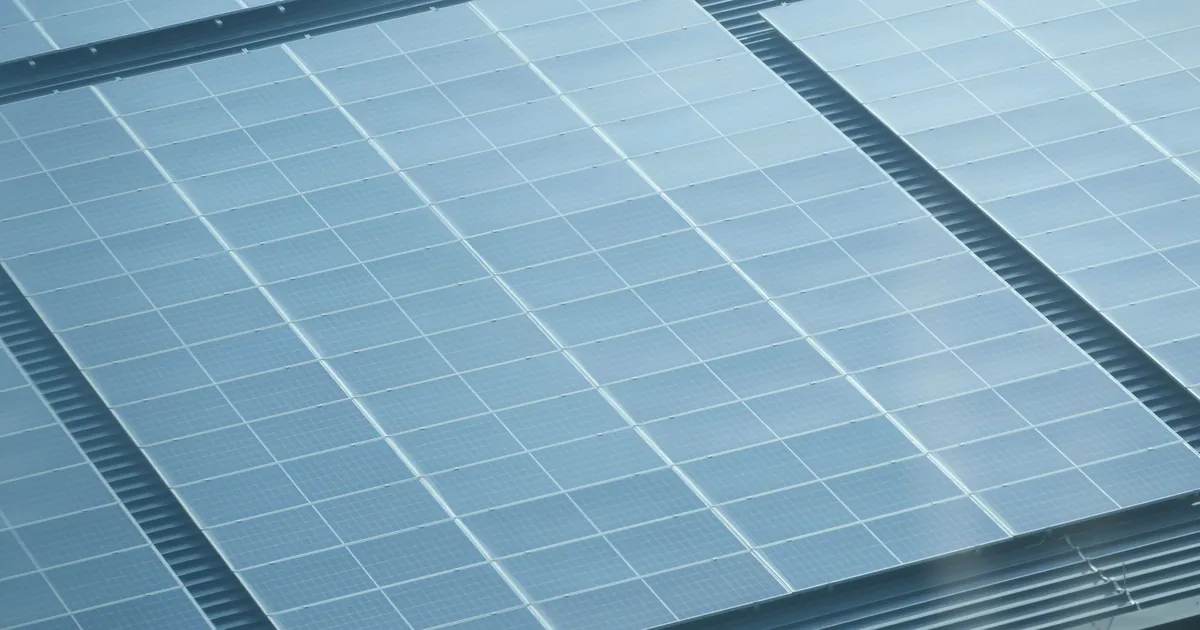
- Solar panels mounted on or above the trailer that convert sunlight into electricity.
- A battery bank that stores the day’s energy to power everything through the night.
- A cellular connection that sends video without any wired internet.
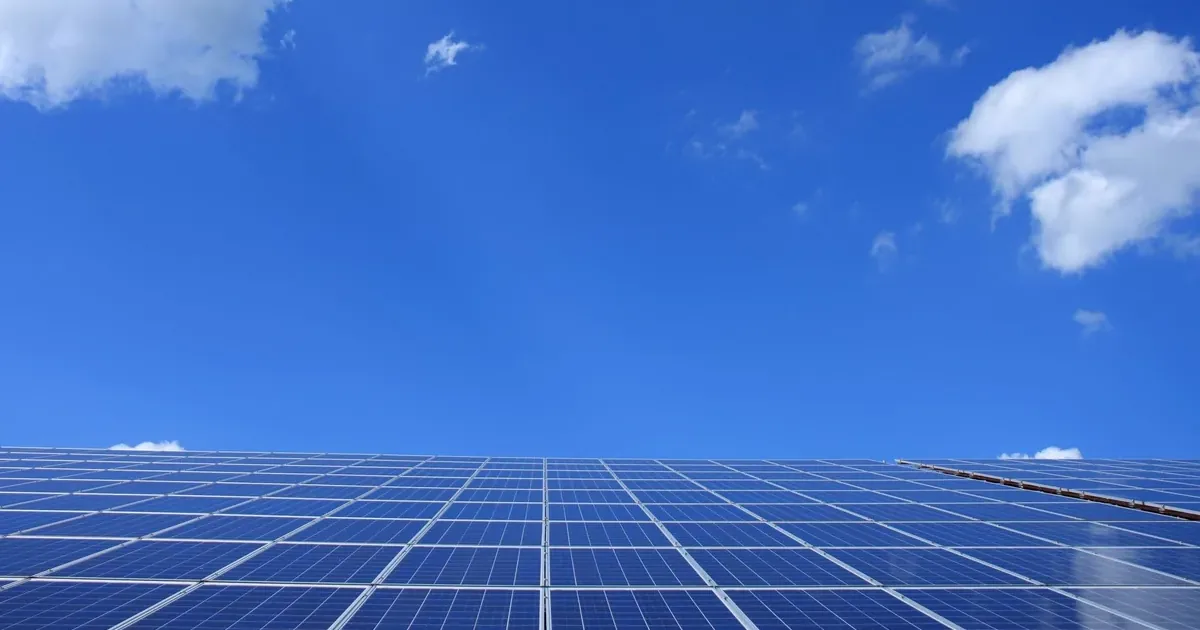
Because all three live on the trailer, the unit is genuinely self-sufficient. You tow it onto bare ground and it works immediately. There is no permit-and-wait cycle for a utility connection and no contractor scheduling, which is why these units can be deployed in under an hour.
How solar power keeps the cameras running 24/7
The cycle is simple. During daylight, the solar panels do two jobs at once: they power the live system and they charge the batteries. After sunset, the system draws entirely from the batteries, which are sized to carry the full load through the night with margin to spare. When the sun returns, the batteries top back up.
This is the same proven approach the U.S. Department of Energy describes for off-grid solar applications, scaled down to a single security platform. The key is correct sizing. A trailer specified for its camera count and location will sail through a normal night with energy to spare, which is what separates a professional unit from a cheap kit that dies at 3 a.m.
Surviving cloudy weather and the marine layer
Southern California’s coastal “June gloom” and overcast stretches are the obvious worry, and the answer is battery reserve. A quality solar trailer carries enough storage to run for several low-sun days on stored charge alone, then recharge fully once clear skies return. According to NREL solar resource data, the LA region receives strong year-round sunlight, so even a gray week rarely puts a properly sized unit at risk. The cameras keep their infrared night vision running the whole time, so darkness and weather never create a blind spot.
Solar versus generator-powered trailers
Some surveillance trailers run on diesel or propane generators instead of solar. They work, but they carry real drawbacks that solar avoids entirely.
| Factor | Solar trailer | Generator trailer |
|---|---|---|
| Fuel | None needed | Regular refueling trips |
| Noise | Silent | Constant engine noise |
| Emissions | Zero | Exhaust and fumes |
| Maintenance | Minimal | Engine service, oil, filters |
| Site impact | Clean and quiet | Fuel storage and spills |
For a job site with crews working nearby, the silence and clean air alone make solar the better neighbor. For a remote site, skipping the refueling runs saves real time and money. And for any company tracking sustainability, the zero-emissions profile is a genuine win the EPA encourages across commercial operations.
Where solar security trailers make the biggest difference
Off-grid power unlocks the sites that are otherwise impossible to protect:
- Construction sites with no power until late in the build.
- Remote and vacant land between development phases or far from any utility.
- Agricultural and utility sites spread across acreage with no nearby outlet.
- Parking lots and overflow areas at the far edge of a property.
- Outdoor events on open ground for a single weekend.
In every one of these cases, the alternative is either no coverage at all or an expensive temporary power install. Solar removes that choice.
What to look for in a solar security trailer
Not all solar trailers are built to the same standard. Before you commit, confirm a few things:
- Properly sized batteries. Ask how many days of autonomy the unit carries with no sun. A serious answer is several days, not “overnight.”
- Real night vision. The cameras should see clearly in total darkness, not just in twilight.
- Live monitoring included. Solar keeps the cameras on, but a monitoring team is what turns footage into deterrence.
- Tuned AI analytics. Good analytics ignore animals and weather so your alerts mean something.
- Flexible terms. A strong provider lets you lease, rent, or buy to match your timeline.
Secure Techies builds and monitors solar surveillance trailers for sites across Los Angeles and Southern California, backed by the same team that protects our cybersecurity and managed IT clients. The solar panels keep the lights on. Our people keep your site safe.
How a solar trailer is sized correctly
The difference between a solar trailer that runs flawlessly and one that dies overnight comes down to engineering, not luck. Three numbers have to balance: how much power the cameras and electronics draw, how much energy the panels can harvest at your location, and how much the batteries can store. Get the ratio right and the unit runs indefinitely. Get it wrong and you have an expensive sculpture by morning.
A professional sizing starts with the load. Each camera, the analytics processor, the cellular modem, and any floodlights draw a known amount of power around the clock. The panels are then specified to recharge that daily load plus a healthy margin, and the batteries are sized to carry several days of operation with no sun at all. This is the same disciplined approach to capacity planning the Department of Energy describes for off-grid solar systems, applied to a single security platform. When you evaluate a provider, ask them to walk you through these numbers. A vague answer is a warning sign.
Solar reliability in the real world
Heat, dust, and the LA climate
Southern California is excellent solar territory, with strong year-round sun, but the climate brings its own demands. Heat reduces battery efficiency, dust on panels cuts their output, and a quality unit accounts for both with proper ventilation, durable components, and panels positioned to shed dust and capture the most light. A well-built trailer is engineered for the environment it works in, not just for ideal lab conditions.
Maintenance is minimal but not zero
One of solar’s biggest advantages is how little upkeep it needs compared to a generator. There is no fuel, no oil, no engine to service. The main maintenance is keeping the panels reasonably clean and confirming the batteries hold their charge over time. For a rapidly deployed unit on a busy site, that low-touch reliability matters, because the last thing a site manager wants is one more piece of equipment demanding attention. The trailer should quietly do its job, which is exactly what a properly built solar system delivers.
Is a solar trailer right for your site?
Solar is the right call for the overwhelming majority of mobile surveillance needs, but a quick gut check helps. A solar trailer is ideal when your site has no reliable grid power, when noise and emissions would bother nearby crews or neighbors, when you want minimal maintenance, or when you value the sustainability of a zero-emissions system. That covers almost every construction site, remote lot, and temporary venue.
The rare case for a generator-backed unit is a site with extremely heavy power demands and almost no usable sunlight, which is uncommon in sun-rich Southern California. For nearly everyone else, a properly sized solar trailer delivers round-the-clock coverage with none of the fuel, noise, or upkeep a generator brings. The cleanest way to be sure is to have a provider assess your specific site, sun exposure, and camera needs before recommending a configuration.
Power should never be the reason a site sits unwatched. A solar security camera trailer removes that excuse entirely and protects the exact places traditional systems cannot reach. Contact Secure Techies and we will help you size and place a solar trailer for your site, whether you want to lease, rent, or buy.
Frequently Asked Questions