Clinics and medical practices
Healthcare IT Services
Clinics do not have a spare hour for a frozen EHR. Secure Techies keeps Southern California practices online, backed up, and ready to show how patient data is protected.
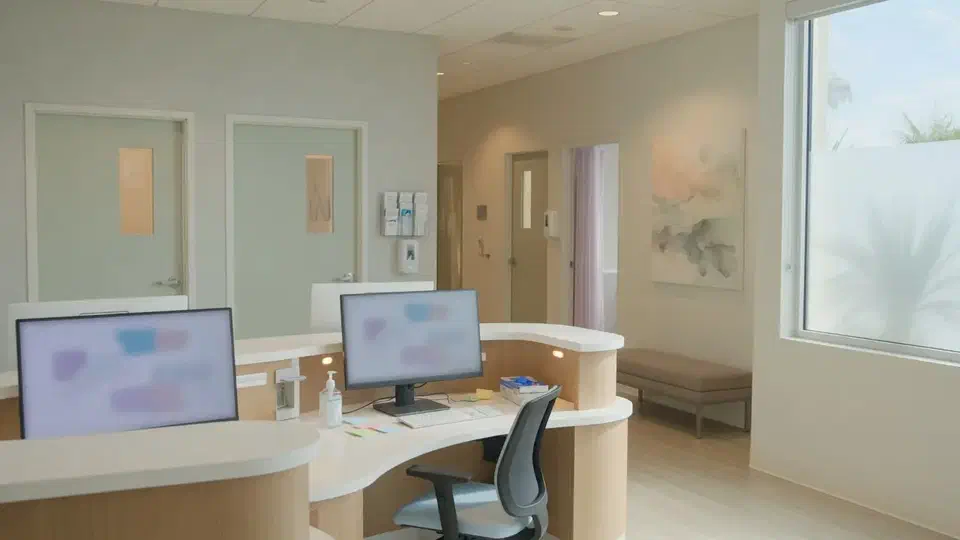
Why this industry is different
Patient care does not pause for a ticket
A practice lives or dies on schedule reliability. If the EHR, imaging share, or phones stall, the waiting room fills and overtime starts.
- 01
ePHI is everywhere
It sits in the EHR, email, backups, and the laptop someone took home. Shared logins and unencrypted drives are still the usual findings.
- 02
Vendors multiply
EHR, billing, labs, imaging, and Microsoft 365 all have to work together. Someone has to own the seams.
- 03
HIPAA is operational
The Security Rule is administrative, physical, and technical safeguards — not a binder on a shelf. See our [HIPAA checklist](/blog/hipaa-compliance-checklist/).
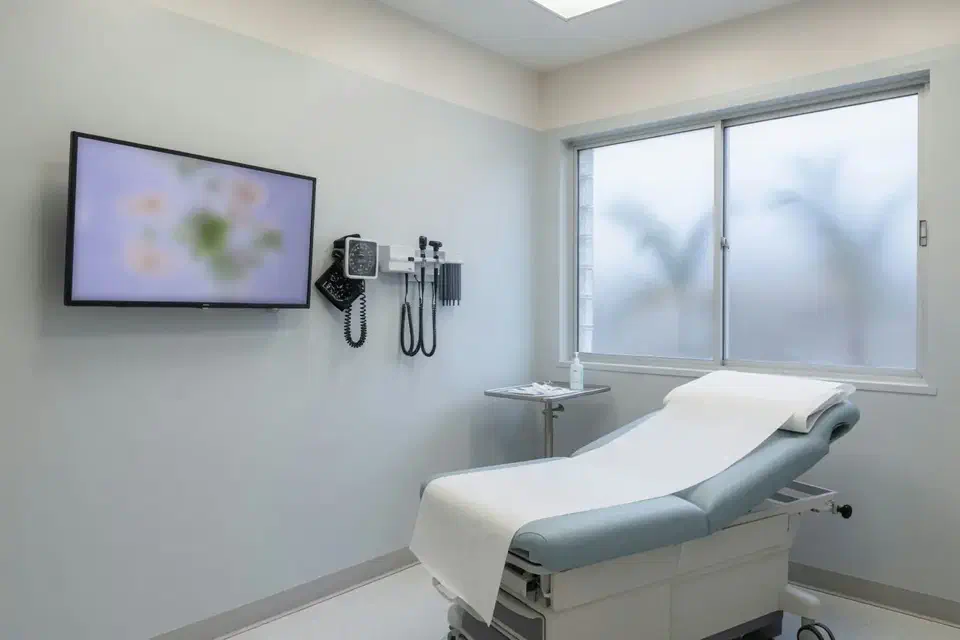
What is in the plan
Everything we do for clinics
If it keeps the chart open, the schedule moving, or ePHI from leaking, it is on this list.
The clinic floor
- Help desk during clinic hoursFront desk and providers get a queue that treats a down EHR as urgent, not a printer ticket.
- EHR environment supportNetwork, identity, devices, and vendor coordination. Application bugs stay with the EHR vendor.
- Imaging and large-file networksWi-Fi and wired paths that do not stall a panoramic or a PACS pull.
- After-hours coverageUrgent clinical outages do not wait until the next business morning.
Safeguards and proof
- HIPAA-oriented safeguardsUnique IDs, MFA, encryption, automatic logoff where practical, and a BAA when we touch ePHI.
- Email and endpoint securityFiltering, MFA, EDR, and no shared nurse-station logins as the permanent design.
- Backups including cloud appsRestore tests for Microsoft 365 and clinical file shares — not only the closet server.
- Evidence for insurers and auditorsEnough documentation to answer a questionnaire without fiction.
People and hardware
- New-hire and departing-staff processDay-one access for clinical staff. Same-day revoke when someone leaves.
- On-site hardwareWorkstations, switches, and printers from the Canoga Park team.
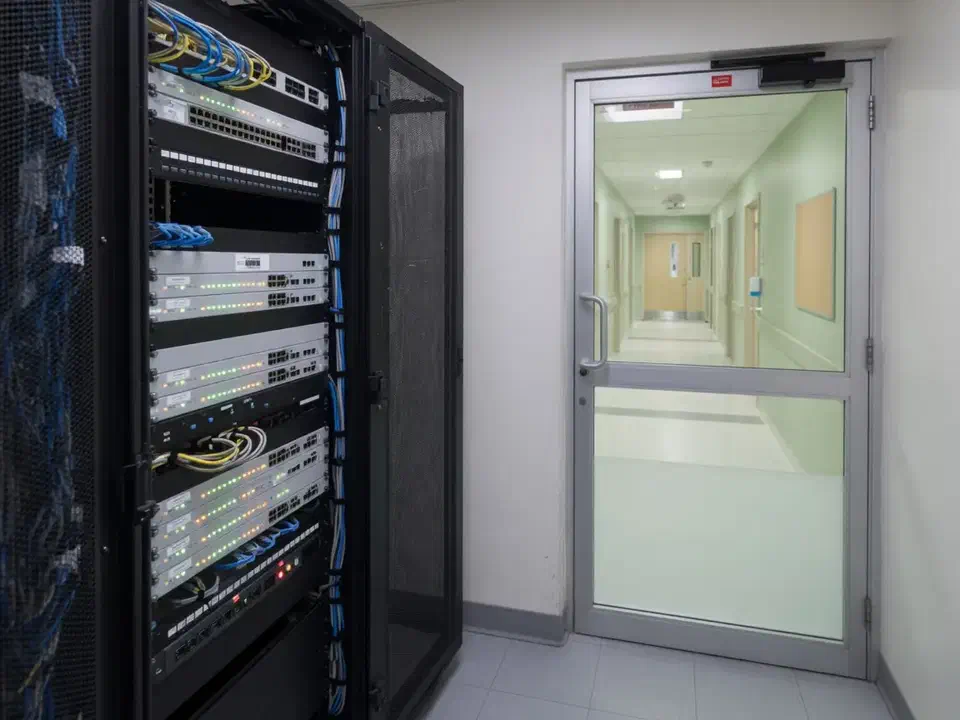
If the chart will not open, nothing else in the building matters.
How the work is packaged
IT support that clinics actually use
Uptime for clinical systems, documented safeguards, and a help desk that treats the front desk as a critical user.
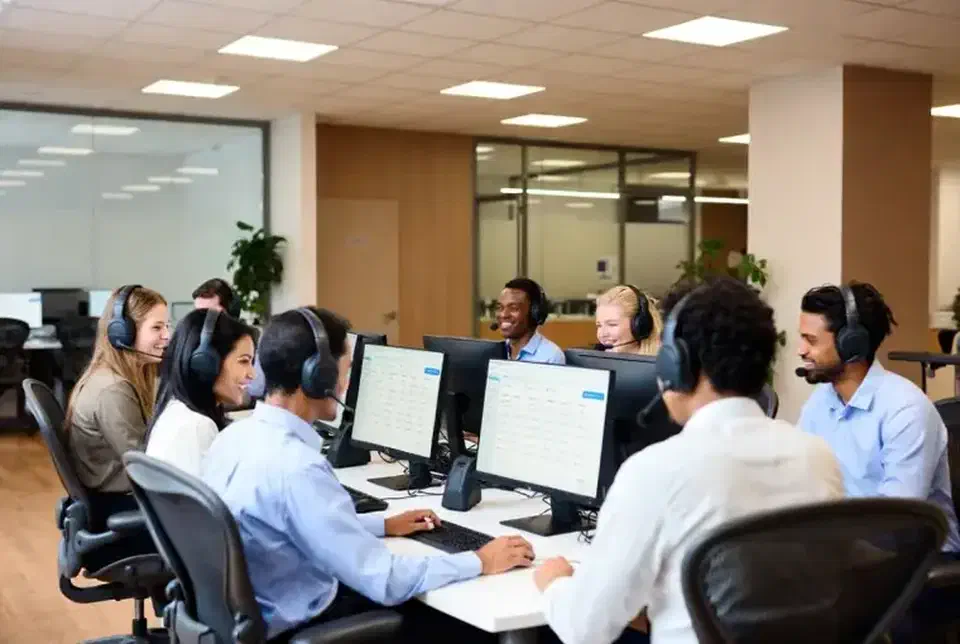
Managed help desk
Fast fixes for providers and staff so the schedule does not slip.
View service
Compliance and audits
Risk analysis support, policies, and evidence you can hand an auditor or insurer. Worked example: [a HIPAA security risk analysis we could defend](/case-studies/hipaa-security-risk-analysis-clinic/).
View service
Cybersecurity
Email security, endpoint protection, and MFA on every account that can touch ePHI.
View service
Backup and recovery
Restores that include cloud apps, not only the server in the closet.
View serviceClinical systems we work around
We own the environment. Your EHR vendor owns the application. That split is how clinics stay out of finger-pointing.
- EHR / practice management
- Microsoft 365
- Imaging and large files
- MFA and unique logins
- Encrypted endpoints
- Cloud and local backup
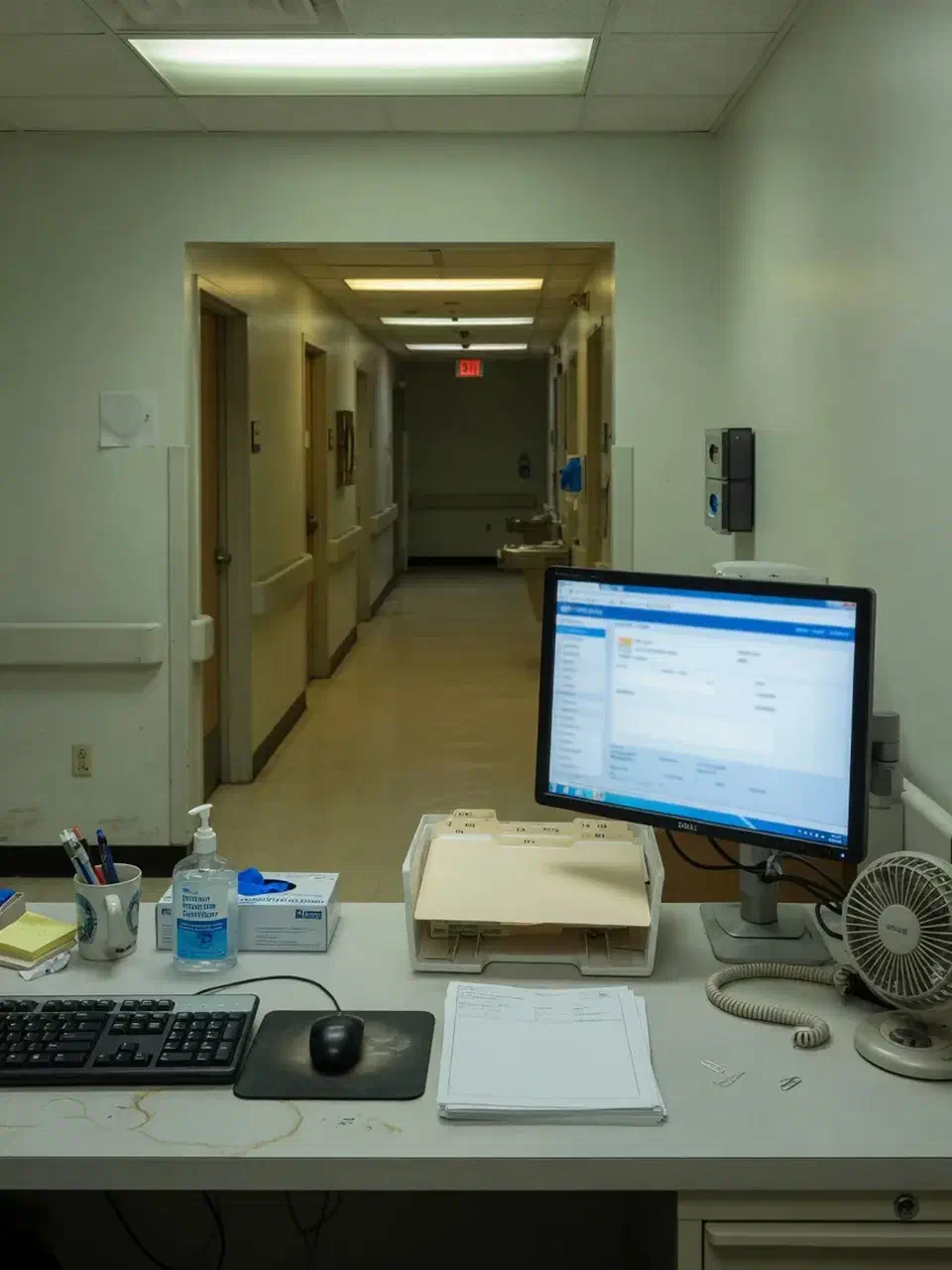
HIPAA-aware managed IT for medical practices
Here’s the short version: healthcare IT support in Los Angeles from Secure Techies is 24/7 help desk, EHR environment support, ePHI safeguards, and tested backups for clinics that cannot hire a hospital IT department.
Secure Techies delivers healthcare IT services for clinics and medical groups that need the chart system up and a straight answer about safeguards. We are not a hospital IT department. We are the outsourced team for practices that cannot hire one.
Protected health information has to stay available to the right people and unavailable to everyone else. That is access control, email security, encryption, and backups — then a help desk that does not leave the front desk on hold.
What we do not claim
We do not replace your EHR vendor. We do not “guarantee HIPAA certification.” HIPAA is a program you operate. We help you run the technical and operational pieces and document them. When our work involves ePHI, we sign a business associate agreement.
Who we work with
Office managers and physician-owners at clinics and specialty groups in Los Angeles and Southern California. Dental and imaging-heavy practices are in scope. An 800-bed hospital that needs a full internal IT department is not.
What HIPAA-ready means in the plan
It does not mean we certify you. It means the Security Rule shows up in operations:
- Unique user IDs — no shared “front desk” login as the long-term plan
- MFA on email and remote access
- Encryption on laptops that leave the building
- Audit-friendly access
- Backups that have been restored, including cloud apps
- A written risk analysis you can show
More detail is in our HIPAA compliance checklist and medical practice IT guide.
Southern California clinics
On-site from Canoga Park for workstations, networking, and the days hardware will not wait. Remote for the rest. Multi-location groups can keep one standard.
Cost
Healthcare plans usually sit above generic office IT because of documentation, backup scope, and after-hours clinical impact. We quote after a free assessment. Planning ranges are on the FAQ.
Call (818) 450-5384 or contact us.
Related reading
How an engagement starts
How we onboard a practice
We schedule around clinic hours. The first week is about charts opening, not a rebrand.
- 01
Risk and stack review
Who has access, where ePHI lives, last backup test, and the vendors that touch patient data.
- 02
Stabilize
Unique IDs, MFA, email security, and a restore test. Shared nurse-station logins get a plan.
- 03
Support the floor
Front desk and providers get a help desk that treats schedule impact as severity.
- 04
Document
Enough evidence for an insurer or auditor without a 200-page binder nobody reads.
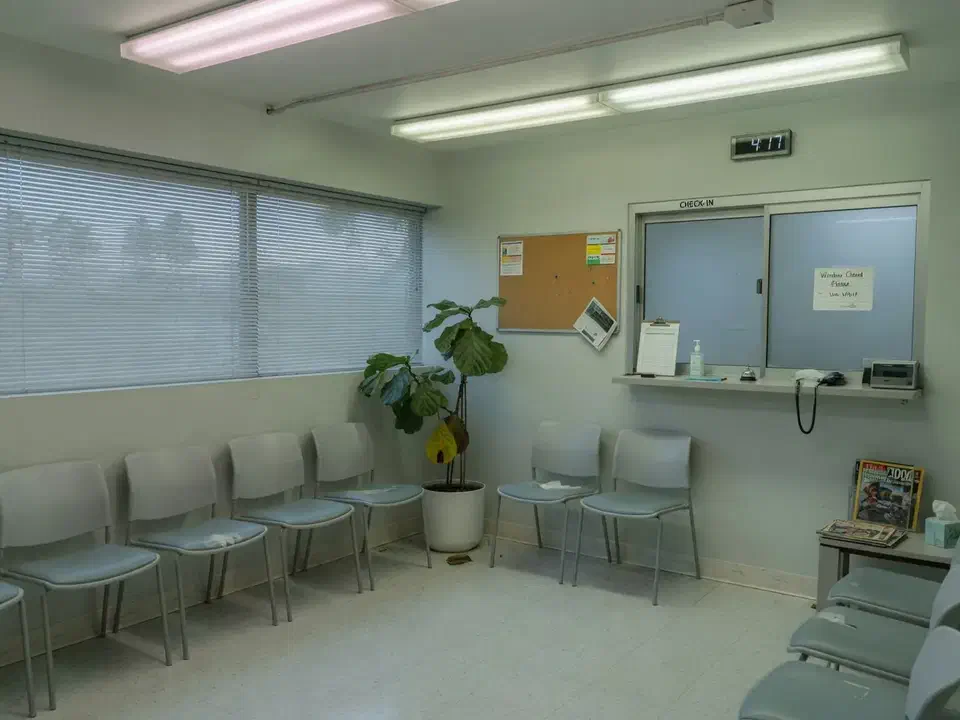
Why this team
How we work with practices
We are a business associate when we handle ePHI. That means a BAA, documented safeguards, and no casual access.
Clinical hours first
We schedule disruptive work outside clinic hours unless the outage already is the disruption.
Vendor coordination
We sit on the call with the EHR vendor so your office manager is not stuck in the middle.
Written like a practice, not a hospital IT department
Most of our healthcare work is clinics and groups — not 800-bed systems. The plan matches that size.
Local on-site
Canoga Park team for workstations, networking, and the days hardware will not wait.
Healthcare IT questions
Do you sign a HIPAA business associate agreement?
Can you support our EHR or practice-management system?
What does HIPAA-ready IT actually include?
How fast can you respond during clinic hours?
Do you work with dental and specialty practices?
Where do you provide healthcare IT support?
How much does clinic IT support cost?
What happens if the EHR goes down during clinic hours?
Other industries
 Law firms
 Accounting
 Financial services
 Construction
Ready to talk about your IT?
A free assessment from the Canoga Park team. We will tell you what we would fix first.